Deep dive
Understand the Problem
I don't follow frameworks religiously. I use them as thinking tools.
Frameworks survived because they prevent expensive mistakes.
I don't follow frameworks religiously. I use them as thinking tools. Their value isn't structure — it's preventing teams from solving the wrong problem. After fifteen years in enterprise product work, two tools still earn their place: not because recruiters expect them, but because they've repeatedly saved me from premature convergence and solution-first thinking.
Double Diamond
The shape isn't the point. The discipline is: earn the right to converge. I use it when stakeholders want screens before anyone has agreed on the problem — when the business risk is building fast in the wrong direction. It forces an explicit choice: are we still discovering, or are we committing? That decision influences scope, roadmap sequencing, and how much pushback I owe the room.
Jobs-to-be-Done
Feature requests describe what someone thinks the answer is. Jobs describe the progress people are trying to make — the motivation behind behaviour. I use JTBD when I need to challenge assumptions baked into the roadmap: what decision is the user actually trying to make, and what anxiety or habit is blocking them? That reframing influences what we build, what we deliberately don't build, and how we measure success.
What changes when evidence challenges the brief.
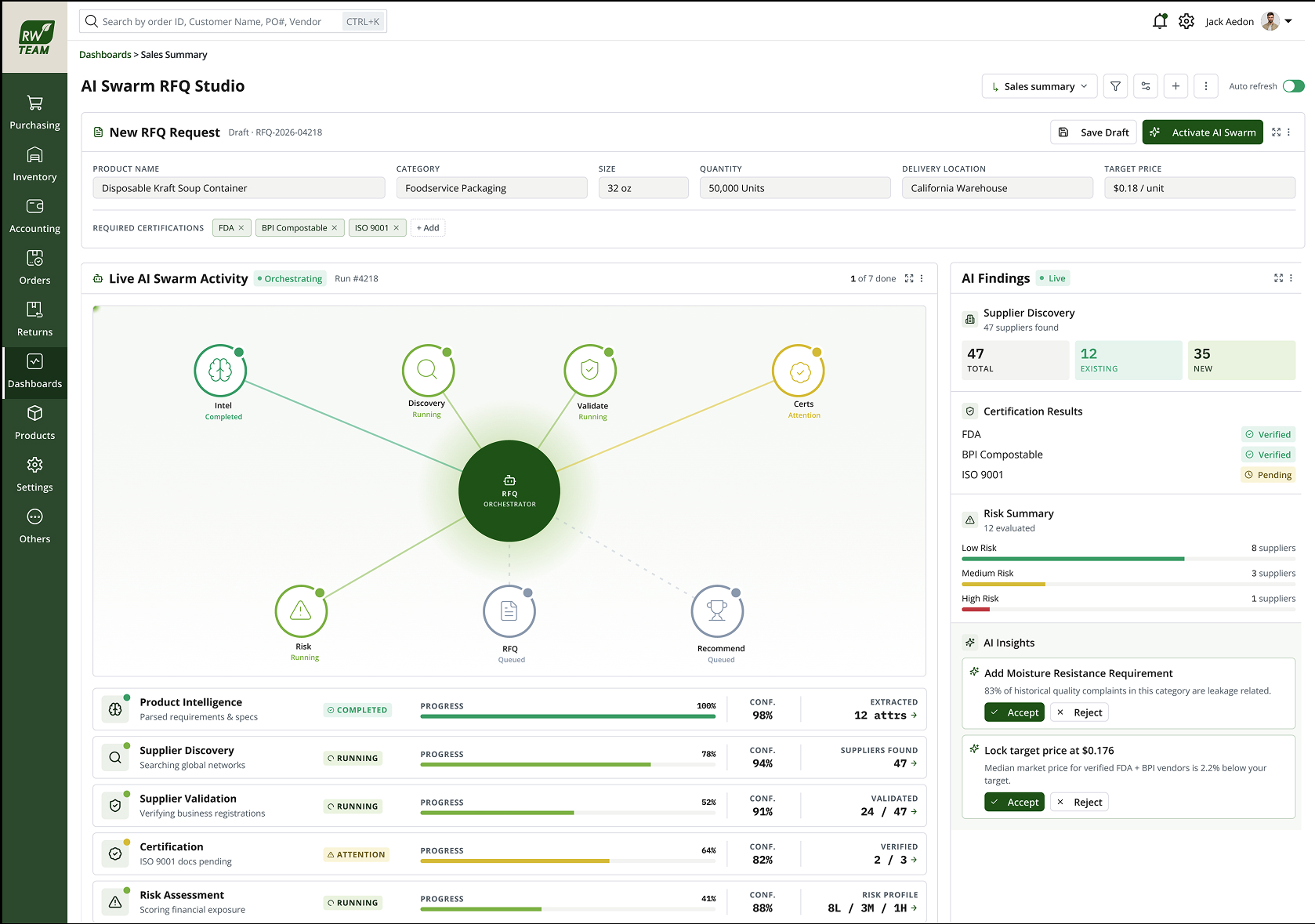
Frameworks earn their place when they change what gets built. On enterprise RFQ sourcing at HikeOn, the product direction shifted not because we ran a methodology workshop — but because research challenged a assumption the whole team had accepted.
Deep dive
Explore the Opportunity
Early exploration isn't about generating more options for its own sake.
Go wide before anyone allows it.
Stakeholders usually arrive with preferred solutions — a screen they've seen elsewhere, a feature sales promised, a workflow ops has been requesting for two quarters. That's not cynicism; it's how organizations work under pressure. Early exploration isn't about generating more options for its own sake. It's about creating better conversations: surfacing assumptions, exposing contradictions, and giving leadership something evidence-based to choose between before commitment hardens.
Multiple concepts — even rough ones — reveal what people are actually optimizing for. When I put three genuinely different directions in front of a room, the debate shifts from "is this pixel right?" to "which tradeoff are we willing to make?" That's facilitation, not screen production. My role in divergence is to hold the space open long enough for the real problem to surface — and to name when we're being pulled into convergence too early.
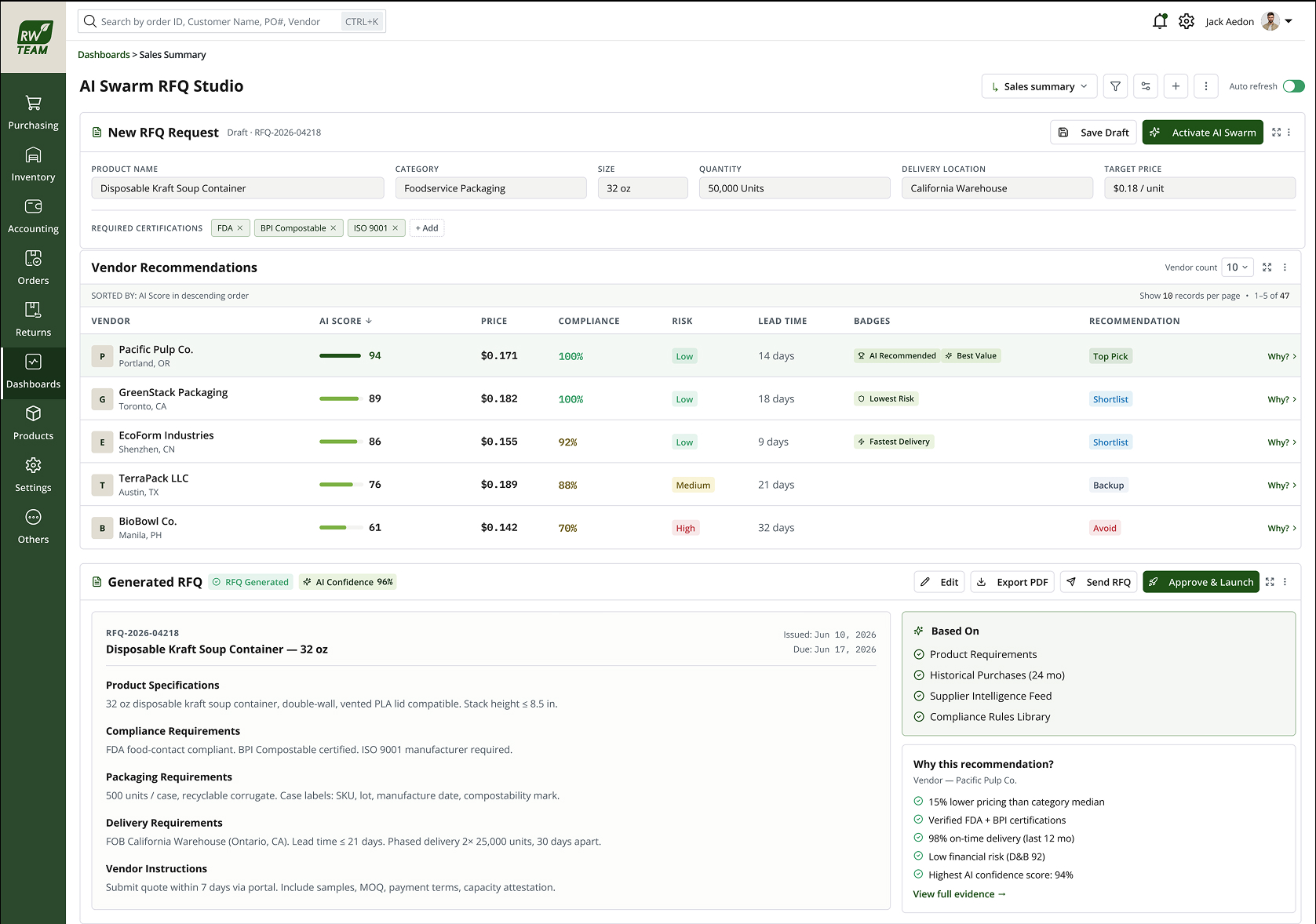
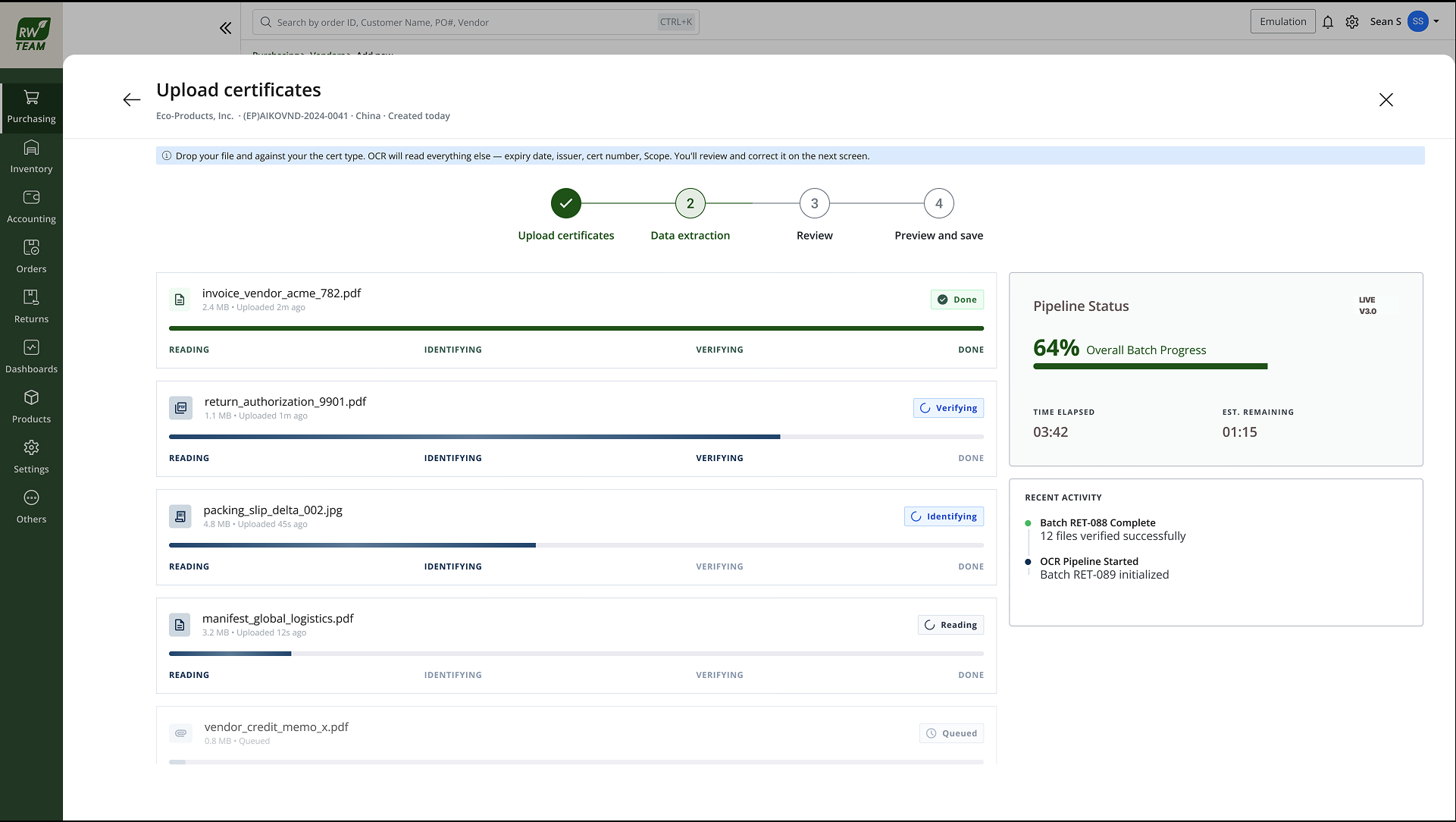
On vendor certificate management at HikeOn, engineering and product both favoured bolting validation into the existing supplier table — fastest path, familiar surface, shippable in two weeks. I ran a working session with three directions on paper: table indicators, a weekly compliance digest, and upload-time review with inline gap flags. Procurement operators didn't debate aesthetics. They told us they ignore passive row indicators and never open weekly digests before a deadline. That conversation didn't produce a prettier screen. It produced alignment on where in the workflow trust actually had to be earned — and gave engineering a concrete reason to accept the slower-scoping alternative.
Problem space · Divergent
Deep dive
Choose the Right Evidence
Over the years, I've learned that more research doesn't automatically lead to better decisions.
Choosing the right evidence.
Over the years, I’ve learned that more research doesn’t automatically lead to better decisions. What matters is finding the evidence that reduces uncertainty. Sometimes that’s a stakeholder conversation. Sometimes it’s analytics. Sometimes it’s sitting with users and watching the work happen. My goal isn’t to run every method—it’s to gather enough evidence to move the team forward with confidence.
Deep dive
Make Tradeoffs Visible
I've found that the hardest design problems are rarely design problems alone.
Align before design.
Real product problems don't live in user interviews alone. They live across product managers, engineers, operations, sales, leadership, and the people doing the work every day. User understanding without organizational alignment still fails — because shipping requires people who weren't in the research room to commit resources, accept tradeoffs, and defend the direction externally.
I treat alignment as a deliverable, not a meeting that happens once. Stakeholder interviews surface constraints and political landmines early. Workshops force prioritization when opinions outnumber sprint capacity. Assumption mapping makes implicit beliefs visible — and testable. Priority discussions attach every cut to evidence so challenges later are factual, not personal.
Make the tradeoffs visible.
I’ve found that the hardest design problems are rarely design problems alone. They sit at the intersection of user needs, business priorities, operational realities, and technical constraints. A large part of my process is understanding those forces, exposing the trade-offs between them, and working with the team to identify the path that delivers the most value with the least unnecessary complexity.
Flexibility vs simplicity
More configuration serves edge cases — and buries the default path most users need daily.
Speed vs quality
Shipping earlier yields signal no test replicates; polishing longer risks learning nothing.
User needs vs business goals
The right product serves both — but not always in the same release. Sequencing is the decision.
Ideal experience vs engineering reality
Feasibility isn't a late surprise. I bring engineering into divergence so tradeoffs are shared, not handed off.
How I evaluate
Deep dive
Move Toward Direction
The value of discovery isn't collecting data — it's creating clarity.
Many inputs. One direction.
The value of discovery isn't collecting data — it's creating clarity. Define is synthesis: collapsing interviews, analytics, stakeholder constraints, and operational reality into one problem statement the team can execute against. This is often the most valuable design deliverable in the entire project — more than any screen.
A clear problem statement is often the most valuable design deliverable.
Problem space · Convergent
Deep dive
Deliver with Engineering
Design isn't finished in Figma.
Many answers, cheaply, in the right order.
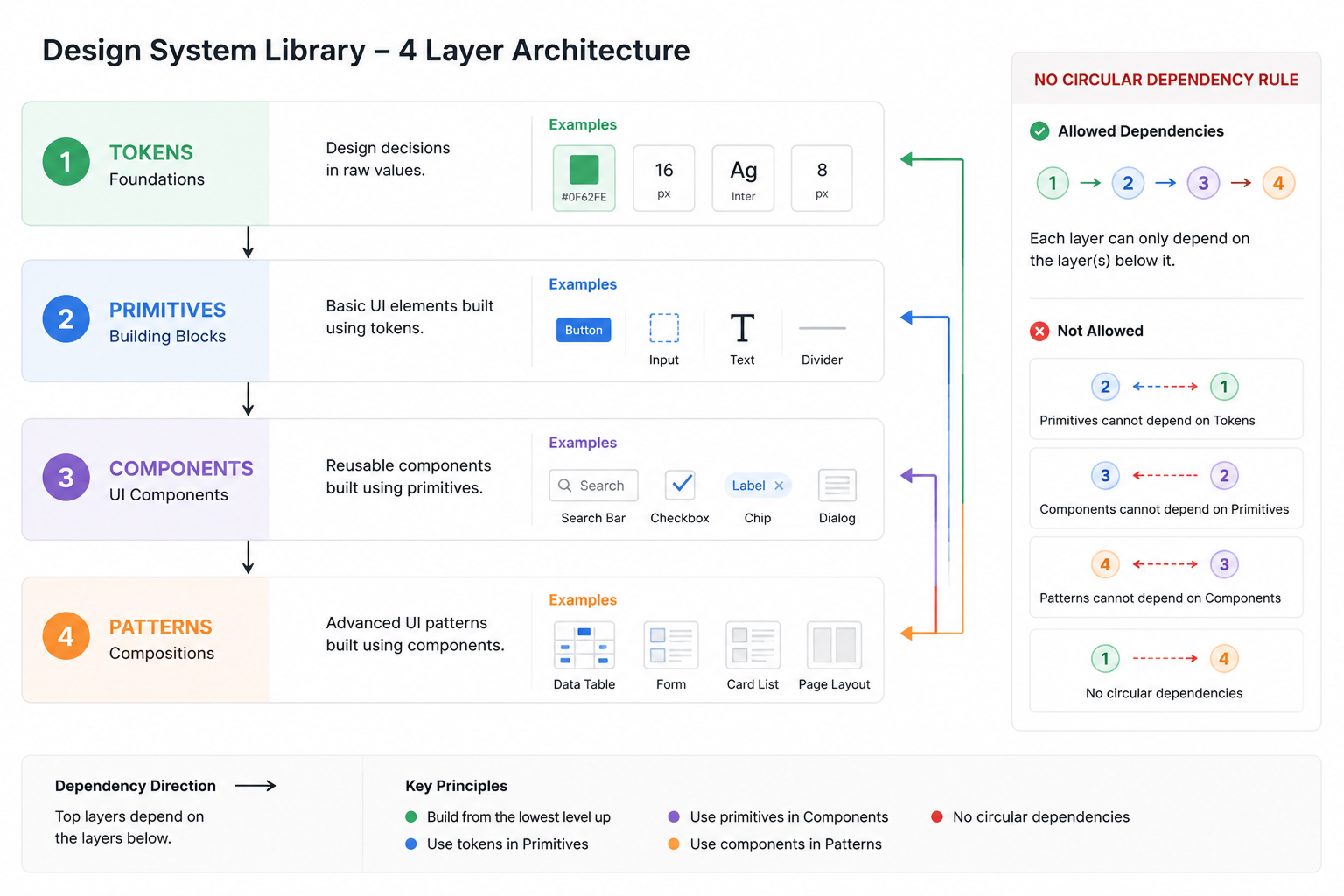
Solution space is where product judgement shows up as sequencing. I prototype structure before surface, test the cheapest artefact that answers the current question, and bring engineering in before anyone falls in love with an idea that can't ship. The decision isn't which direction looks best — it's which tradeoff the organization is willing to accept.
Solution space · Divergent
Deliver with engineering.
Design isn't finished in Figma. Good products emerge through collaboration — not handoffs. I stay in the build: early technical discussions before specs harden, feasibility reviews when scope shifts, iterative refinement as edge cases surface in code, design QA on real implementations, and release support when production reveals what no prototype could.
Solution space · Convergent
Deep dive
Measure What Changed
Launch is not success.
Measure what changed.
Launch is not success. Success is measured by outcomes — and outcomes feed the next iteration. I define what we're trying to move before we ship, instrument it, and treat production data as the validation round no test fully replicates. Without this loop, process becomes theatre.
The question I want in a leadership review isn't "does it look right?" It's "did we move the metric we said we'd move — and what do we do next because of what we learned?"